How Do I Verify Logistics Providers for Physical Commodity Trades?

You verify logistics providers for physical commodity trades by conducting a multi-layered due diligence process that includes validating corporate registration, checking operational licenses (such as FIATA or BIMCO), confirming insurance coverage (Cargo/Hull/P&I), and cross-referencing industry references. You must also perform sanctions screening and financial stability checks to ensure the provider can handle the complexities of bulk or containerized cargo transport. Only after confirming both legal standing and physical capability should you finalize a master service agreement.
🎯 Key Takeaways
- Verification is a continuous process, not a one-time event, requiring annual reviews.
- Always validate insurance directly with the underwriter to avoid forged certificates.
- Asset-based providers offer more control, while non-asset-based providers offer flexibility.
- Sanctions screening is mandatory to avoid secondary sanctions on your own firm.
- Utilize digital tools for real-time tracking and document validation.
- Industry association memberships (e.g., FIATA) serve as a baseline for professional standards.
How Do I Verify Logistics Providers for Physical Commodity Trades?
To verify logistics providers for physical commodity trades, you must begin with a rigorous Know Your Business (KYB) protocol that scrutinizes the provider's legal existence, financial health, and operational capacity. The complexity of moving bulk commodities like iron ore, copper concentrate, or agricultural goods requires a partner who is more than just a name on a website; they must be a vetted entity with a traceable track record in your specific commodity class. This process is just as critical as knowing how to verify copper concentrate suppliers, as the logistics chain is where most trade friction occurs.
Step 1: Legal and Corporate Validation
The first stage involves confirming the provider is a legally registered entity in its home jurisdiction. Request a Certificate of Incorporation and a current Business License. Use government portals to ensure the company is in "Good Standing." In global trade, many "ghost" forwarders exist only as professional-looking websites. Cross-reference their registered address with satellite imagery to ensure they have a physical presence, rather than a mere PO Box or a virtual office service.
Step 2: Operational History and Reputation
Verify how long the company has been operating in the specific geography and commodity sector you require. A provider that specializes in consumer electronics may not have the expertise to manage lifting windows and demurrage in physical commodity trades. Ask for a client list and contact three references. Specifically, ask these references about the provider's handling of claims, their communication during delays, and their transparency regarding sub-contractor usage.
Step 3: Financial Soundness
A logistics provider in financial distress is a major risk. They may fail to pay truckers, port authorities, or vessel owners, leading to liens on your cargo. Request audited financial statements for the last two years or a credit report from agencies like Dun & Bradstreet. In the world of physical commodities, where margins are often thin and volumes are high, a bankrupt logistics partner can freeze your working capital for months.
The Critical Nature of Logistics Due Diligence
Logistics is the connective tissue of global commerce. In physical commodity trading, the logistics provider is often the party holding the Bill of Lading—the document of title. If this party is fraudulent or incompetent, you lose control over the physical asset. According to industry reports, roughly 25% of shipping fraud involves fictitious companies or unauthorized subcontracting. (Source: International Maritime Bureau, 2026).
Risk of Cargo Theft and Diversion
Without proper verification, you are vulnerable to cargo theft. Sophisticated criminals often pose as legitimate haulers or forwarders, pick up high-value commodities like copper or cobalt, and then disappear. Rigorous verification ensures that the trucks and vessels arriving at the loading port are actually authorized by your contracted partner. This is a vital component of best practices for physical commodity procurement.
Regulatory and Sanctions Compliance
Trading firms are increasingly held liable for the actions of their entire supply chain. If your logistics provider uses a sanctioned vessel or operates in a prohibited port without disclosure, your firm could face massive fines and loss of banking privileges. Verification must include screening all directors and beneficial owners against OFAC, EU, and UN sanctions lists.
of commodity trade disputes arise from logistics-related documentation errors.
What Documents Should I Request from a Potential Freight Forwarder?
You should request a comprehensive "Compliance Pack" from a potential freight forwarder, including their Certificate of Incorporation, FIATA or BIMCO membership, valid maritime and liability insurance certificates, and their last two years of audited financial statements. These documents provide the paper trail necessary to prove the entity's legitimacy and operational readiness. Always insist on seeing the originals or notarized copies during the onboarding phase.
Insurance Certificates and Validation
Do not simply accept a PDF of an insurance certificate. Call the broker or the underwriter listed on the document to confirm the policy is active, the limits are sufficient for your cargo value, and there are no exclusions for your specific commodity. Ensure they have Professional Indemnity insurance and, if applicable, Charterers' Liability insurance. This protects you if the logistics provider’s negligence leads to a financial loss.
Licenses and Memberships
Check for specific regional and international licenses. For example, in the US, a Federal Maritime Commission (FMC) license is required for Ocean Freight Forwarders. Internationally, membership in the International Federation of Freight Forwarders Associations (FIATA) suggests a commitment to global standards. If you are dealing with maritime transport, check if they are members of the Baltic and International Maritime Council (BIMCO).
| Document Type | Primary Purpose | Verification Method |
|---|---|---|
| Certificate of Incorporation | Legal existence of the entity | Government Business Registry |
| Insurance Policy (P&I / Cargo) | Financial protection against loss | Direct contact with Underwriter |
| Tax Identification Number | Financial and tax compliance | VIES or national tax portal |
| FIATA/BIMCO Membership | Industry standard adherence | Association Member Directory |
How Can I Confirm the Physical Infrastructure of a Logistics Partner?
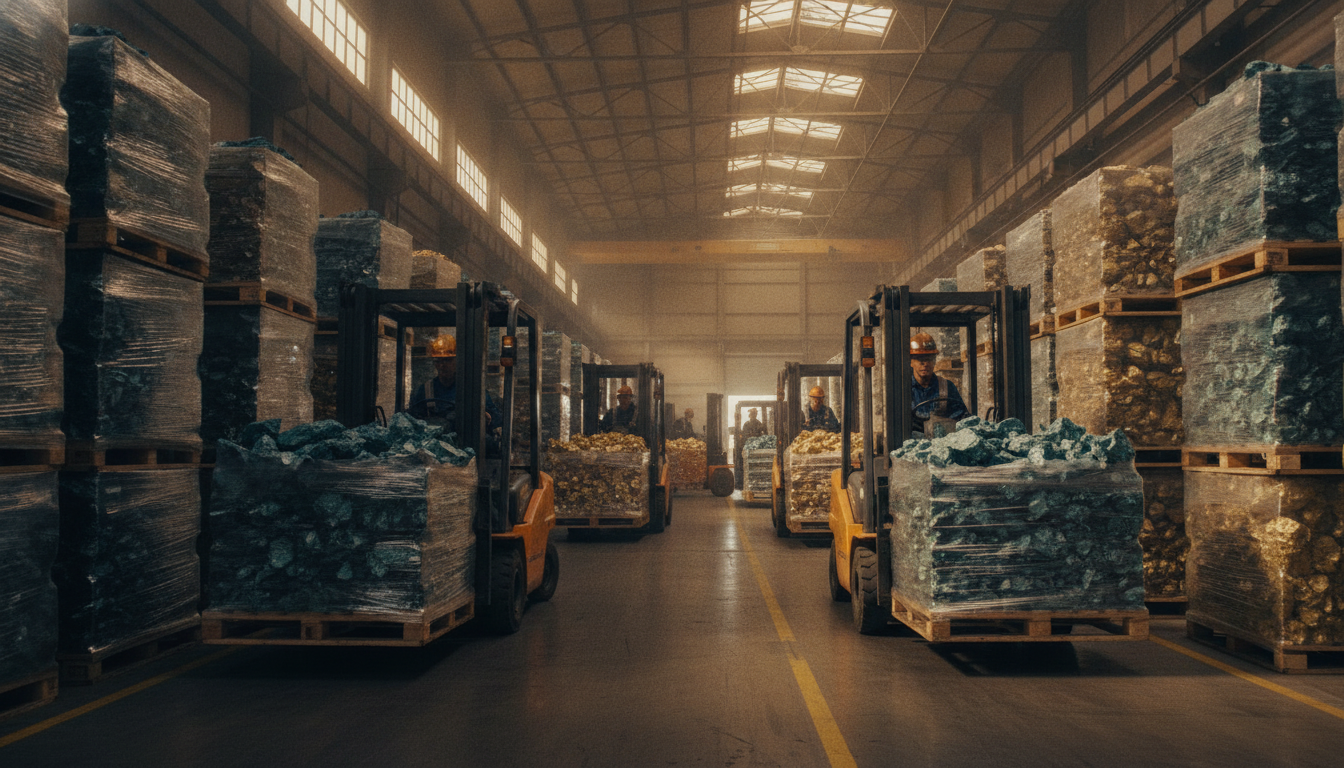
Confirm the physical infrastructure of a logistics partner by requesting a detailed asset list, including owned or long-term leased warehouses, fleet specifications, and port terminal agreements, then verifying these through on-site audits or third-party inspections. Digital verification is a start, but physical commodities require physical assets. You must know whether your partner owns the equipment or is simply sub-contracting everything to the lowest bidder.
Asset-Based vs. Non-Asset-Based Providers
Understand the model your provider uses. An asset-based provider owns the ships, trucks, and warehouses. This usually means more control and reliability but potentially higher costs. A non-asset-based provider (a 3PL or broker) provides flexibility and a wider network. If you use a broker, your verification process must extend to their primary subcontractors to ensure the entire chain is secure.
Site Visits and Independent Audits
For high-volume trades, there is no substitute for a site visit. Visit their main hub or the warehouse where your commodity will be stored. Check for security measures: Is there 24/7 CCTV? Is the perimeter fenced? Are there moisture control systems for sensitive commodities like grain or urea? If you cannot visit personally, hire a third-party inspection firm like SGS or Intertek to perform an operational audit.
Equipment and Technology Stack
Ask about their fleet age and maintenance records. In maritime logistics, the age of the vessel can impact insurance premiums (the "over-age" surcharge). Furthermore, inquire about their use of best tools for tracking physical commodity trades. A provider that still relies solely on manual spreadsheets and phone calls is a liability in 2026.
What Are the Red Flags When You Verify Logistics Providers for Physical Commodity Trades?
Red flags when you verify logistics providers for physical commodity trades include generic email addresses (e.g., Gmail/Hotmail), lack of a physical office, missing or expired insurance policies, and a refusal to provide client references. Additionally, be wary of providers who offer rates significantly below the market average or who demand full payment via untraceable methods before cargo release. These are often indicators of a "fly-by-night" operation or an outright scam.
"The most dangerous logistics provider is the one who claims to do everything but can't show you a single asset or a long-standing contract with a reputable carrier." — Elena Richards, Chief Supply Chain Risk Officer at Global Trade Insights
Inconsistent Documentation
Watch for discrepancies in company names across different documents. If the name on the bank account doesn't match the name on the Bill of Lading or the insurance certificate, stop the process immediately. Fraudsters often use "shell" companies to collect payments while the operational company remains unaware of the transaction. Use tools like those offered by Lodfy to map out Beneficial Ownership (UBO) and identify hidden links between entities.
Resistance to Audits
A legitimate logistics provider understands the necessity of due diligence in physical commodity trades. If a provider is evasive when you ask for insurance details, site visits, or financial data, they are hiding something. Professional firms have a standard compliance package ready for potential clients. Resistance is a signal that their operations may not meet industry standards.
How Do Digital Tools Simplify the Verification Process?
Digital tools simplify the verification process by automating KYC/KYB checks, providing real-time vessel and truck tracking, and utilizing AI to detect fraudulent patterns in shipping documents. Platforms like Lodfy allow traders to aggregate data from multiple sources—including sanctions lists, corporate registries, and maritime databases—into a single risk score. This reduces the manual workload and significantly increases the accuracy of your due diligence.
Automated Sanctions Screening
Manually checking every ship, port, and company director against dozens of international sanctions lists is nearly impossible. Modern software performs these checks in seconds and provides ongoing monitoring. If a logistics provider's owner is added to a sanctions list six months into your contract, an automated system will alert you immediately, allowing you to mitigate risk before the next shipment.
Blockchain and Document Integrity
Blockchain technology is increasingly used to verify the authenticity of Bills of Lading and Certificates of Origin. By using a shared ledger, all parties in the trade can confirm that the document has not been altered. While not yet universal, asking a logistics provider if they support digital document standards is a good way to gauge their technological maturity.
of top-tier commodity trading firms have moved to automated digital verification systems.
Which Industry Certifications Indicate a High-Quality Logistics Provider?
High-quality logistics providers typically hold certifications such as ISO 9001 (Quality Management), ISO 28000 (Security Management for Supply Chains), and Authorized Economic Operator (AEO) status. Additionally, specialized commodities may require specific certifications, such as GAFTA for grains or Responsible Jewellery Council (RJC) standards for precious metals. These certifications prove that the provider has undergone external audits and adheres to globally recognized best practices.
The Value of AEO Status
The Authorized Economic Operator (AEO) status is a massive green flag. It is a partnership between customs authorities and businesses that demonstrates a high level of compliance and supply chain security. AEO-certified providers often enjoy faster customs clearance and fewer physical inspections, which translates to lower demurrage costs and more predictable delivery schedules for your physical commodity trades.
ISO Standards and Operational Excellence
ISO 9001 ensures the company has documented processes for every aspect of its business, from hiring to handling customer complaints. ISO 28000 is even more relevant for logistics, as it focuses specifically on security risks in the supply chain. When you verify logistics providers for physical commodity trades, these certifications serve as a proxy for a well-managed, low-risk organization.

Final Checklist to Verify Logistics Providers for Physical Commodity Trades
Your final checklist to verify logistics providers for physical commodity trades should include a legal registration check, a deep dive into insurance validity, a review of financial statements, physical asset verification, and a comprehensive sanctions screening. Do not skip any of these steps, regardless of how urgent the trade seems. A mistake in the logistics chain can negate all the profit from a successful commodity trade and expose your firm to significant legal liabilities.
The Verification Checklist
- Corporate Standing: Verified via official government registry (less than 3 months old).
- Financial Credit: D&B report or audited financials reviewed.
- Insurance: P&I and Cargo liability verified directly with the insurer.
- Sanctions: Directors, UBOs, and vessels screened against global lists.
- Experience: Verified track record in the specific commodity (e.g., bulk ores, liquid energy).
- References: Positive feedback from at least two current or former clients.
- Infrastructure: Owned assets or verified long-term lease agreements confirmed.
Implementing the LODFY Standard
By using the standards developed by Lodfy, you can streamline this process. Our framework focuses on transparency and verifiable data points, ensuring that every logistics provider in your network meets the high bar required for modern commodity trading. Using tools like Lodfy ensures that your verification of physical commodity sellers and logistics partners is integrated and robust.
Frequently Asked Questions
How do I check if a vessel used by my logistics provider is blacklisted?
You can check vessel status using the IMO number through maritime databases like Equasis or Lloyd’s List Intelligence. These platforms track the history of the vessel, its current owner, and any sanctions or detentions it has faced in global ports.
What is a Bill of Lading (B/L) and why does it matter for verification?
The Bill of Lading is a legal document between the shipper and carrier that acts as a receipt of goods and a document of title. Verifying that your logistics provider is authorized to issue or handle these documents is essential to ensure you retain legal ownership of your commodity during transit.
Should I worry about subcontracting in logistics?
Subcontracting is common, but it must be transparent. Your contract should specify that the primary provider is responsible for the conduct of all subcontractors. You should also have the right to audit or veto any third-party providers they intend to use for your cargo.
What does 'Demurrage' mean in the context of logistics verification?
Demurrage is a charge paid by the charterer to the shipowner for delays in loading or unloading. Verifying a provider's efficiency and port relationships is key to minimizing these costs, which can quickly erode the profitability of a commodity trade.
Secure Your Supply Chain with Lodfy
Stop guessing and start verifying. Lodfy provides the AI-powered tools and expert frameworks you need to perform bulletproof due diligence on every logistics provider in your network. Protect your capital and your reputation today.
View Our Solutions